
How Office Environment Affects Employee Well-Being And Productivity
December 31, 2025
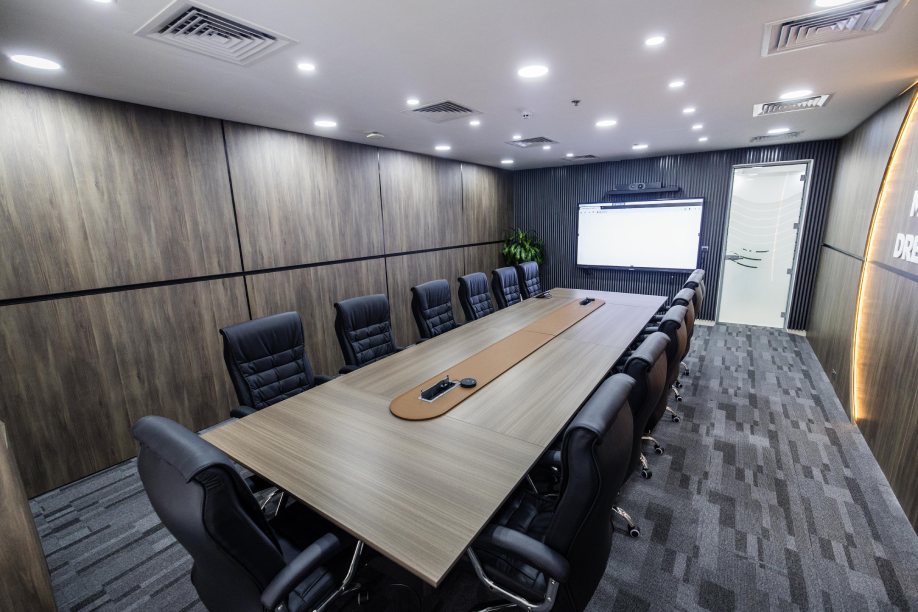
The modern workplace has changed a lot in recent years. The old days of dull cubicles and cold environments are over. Today, many organizations see the value of a well-designed office space because where employees spend most of their day affects their mood, motivation, health, and overall productivity.
A thoughtfully designed office space for rent goes beyond aesthetics; it plays a crucial role in fostering collaboration and enhancing performance. By choosing an office that emphasizes comfort, functionality and creativity, companies can create an environment that empowers employees to thrive.
Let’s look at the key elements of an office environment that support employee well-being and productivity.
The Connection Between Workspace and Well-Being
Employees who feel comfortable and valued in their workplace tend to be more engaged and loyal. Poor lighting, uncomfortable furniture, constant noise or lack of privacy can cause stress, fatigue and even health issues over time.
In contrast, an office that focuses on comfort and functionality supports a positive mindset. When employees feel physically comfortable, they can concentrate better, get less distracted, and are more capable of managing their daily tasks.
Natural Light and Proper Lighting Matter
Lighting plays a crucial role in an office environment. Natural daylight helps regulate sleep, boosts energy, and improves mood. Employees in well-lit spaces tend to stay alert and experience fewer headaches and less eye strain.
Modern offices that combine natural light with good artificial lighting create a balanced setting. This helps employees work longer hours without feeling exhausted.
Comfort and Ergonomics enhance Performance.
Uncomfortable chairs and poorly designed desks can cause back pain, neck strain, and long-term health issues. Ergonomic furniture helps support good posture and movement, allowing employees to work all day comfortably.
When employees feel comfortable, they can focus better, work longer without getting tired and stay productive.
Flexibility and Accessibility
One modern trend in the workplace is flexible workspaces. Employees like having the option to choose where and how they work. Allowing remote work, hot-desking, or collaborative spaces lets employees pick the environments that fit their tasks and moods.
Flexibility helps with work-life balance, which is important for employee well-being. An office that is accessible to all, including people with disabilities, encourages inclusivity and a sense of belonging. This creates a positive workplace culture where everyone feels valued and supported.
Noise Levels and Focus
Constant noise is a major productivity killer in the workplace. Loud conversations, phone calls and other distractions make it hard for employees to focus.
A well-designed office includes quiet areas, meeting rooms, and sound-controlled spaces. These areas help employees work without interruptions. Having a good balance between teamwork and concentration is essential for an efficient workflow.
The Importance of Community
A strong sense of community at work can greatly improve employee satisfaction. Creating opportunities for social interactions through shared spaces, team-building activities, and regular events builds relationships and improves collaboration. When employees feel connected to their co-workers, they are more engaged in their work and motivated to do their best.
Clean, Organized Spaces Reduce Stress
Messy and poorly kept offices can overwhelm employees. Clean and organized workspaces help people feel calm and in control. A tidy environment leads to clear thinking, efficiency, and professionalism.
When employees enter a clean and well-organized office each day, it creates a positive atmosphere and reinforces a culture of discipline and respect.
Temperature and Air Quality Influence Energy Levels
The temperature and ventilation in an office directly affect comfort and alertness. If a space is too hot, too cold or has poor air circulation, it can make people uncomfortable and decrease their focus.
Good climate control and fresh air help employees feel energized and comfortable. This leads to better concentration and fewer sick days.
Also read: What Are the Top Office Design Trends for 2025?
The Impact of Remote Work
Remote work has changed traditional office settings. It offers benefits like better work-life balance and less stress from commuting. However, it can also make people feel isolated. Companies need to keep remote team members connected and engaged by using virtual communication tools and having regular check-ins.
A Professional Environment Encourages Motivation
An office reflects a company’s values. A clean and professional workspace shows employees that their comfort matters. When employees feel valued, they tend to be more motivated, work better in teams, and perform well. Employees who take pride in their workplace are more likely to take responsibility for their jobs and deliver quality work.
Final Thoughts
For startups and small businesses that can't afford ideal office setups, virtual offices provide a flexible and cost-effective solution. Global Business Centre offers virtual office spaces for rent, equipped with essential facilities to help businesses maintain a professional image without the overhead of a traditional office.