How Hybrid Work Models Are Driving Demand For Flexible Office Solutions
February 9, 2026
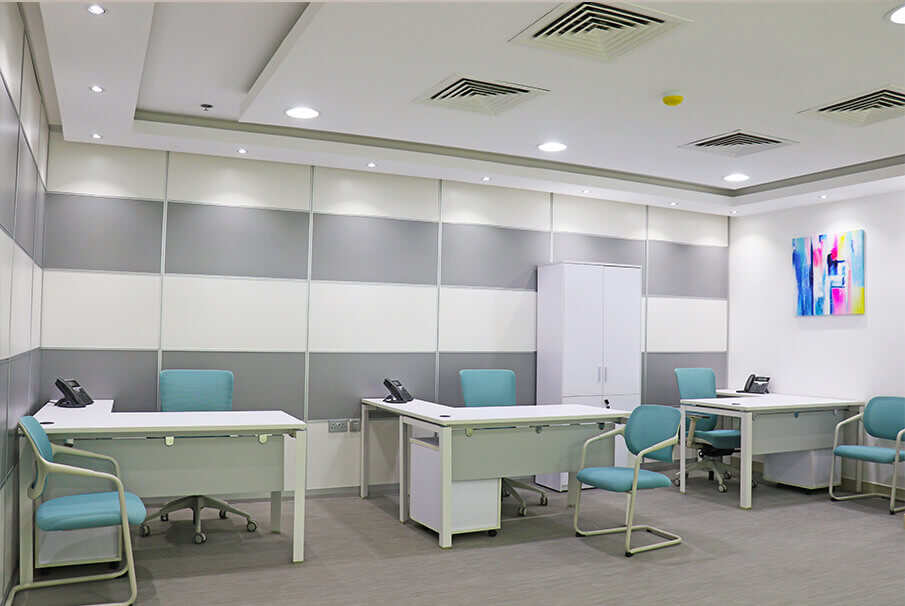
Five days in the office? Not anymore. The traditional 9-5 work structure has dramatically changed due to the emergence of hybrid work models. This innovative approach provides employees with the flexibility they desire while allowing companies to make more informed decisions. But with teams spending only part of the week in the office, the question arises: how much office space do we really need?
That’s where flexible office space for rent comes into play. Forget the hassle of rigid contracts and underused desks. Now, businesses can choose dynamic workspaces that flex to meet evolving schedules, team sizes and collaboration needs.
In this blog, we’ll dive into how hybrid work is driving the demand for adaptable office solutions and explore what this exciting shift means for the future of workspaces.
The Evolution of Workspaces
The term "hybrid work" means a way of working that combines remote work with being in the office. Employees can choose when and where they want to do their jobs, blending the lines that used to separate our work lives. This flexibility meets the different needs of workers and helps boost productivity and job satisfaction.
The Benefits of Hybrid Work Models
1. More Productivity
Research shows that when employees can choose where to work, they often get more done. For example, a quiet home office is great for focused tasks, while teamwork works best in person.
2. Better Work-Life Balance
The hybrid model helps people manage personal and work commitments more easily. Without the need for a strict office schedule, employees can enjoy healthier, more balanced lives.
3. Cost Savings
Both companies and employees can save money with hybrid work. Businesses can cut costs by needing less office space, and employees save on travel expenses.
4. Attracting and Keeping Talent
With remote work options, companies can hire people from different areas. Offering flexible schedules helps businesses keep skilled employees happily working for them.
The Rise of Flexible Office Spaces
With the new trend of hybrid work, many companies are changing how their offices look. Instead of having fixed offices, they are creating more flexible workspaces.
Here’s how flexible office for rent options are coming up in response to this hybrid model
- Co-Working Spaces: Co-working spaces are becoming very popular. They let businesses rent desks or meeting rooms when they need them. This setup is great for companies that don’t need a full-time office and helps save money for teams that only gather sometimes.
- Shared Offices: More businesses are sharing office spaces to save money and resources while promoting teamwork. This trend cuts costs and builds a sense of community among different companies.
- Hot Desking: This flexible method lets employees pick their workspace instead of having a desk assigned to them. Hot desking promotes interaction and flexibility, making it perfect for teams with different schedules.
- On-Demand Meeting Rooms: Companies are using technology that makes it easy to book meeting rooms. Employees can reserve rooms as needed, ensuring they only use office space when they really have to.
The Shift in Workplace Culture
As companies adjust to hybrid work and flexible office setups, the way people interact at work is changing.
Here are some ways businesses are creating a welcoming and supportive environment
- Building Trust: With employees working from different places, trust is very important. Companies should focus on the results instead of micromanaging, allowing workers to take charge of their tasks.
- Encouraging Inclusivity: Businesses should make sure that hybrid workplaces are open to everyone. Remote workers should have the same chances, communication, and recognition as those in the office.
- Regular Check-ins: Setting up regular check-ins between team members and managers helps everyone stay connected and gives employees the support they need to succeed in a hybrid setup.
- Supporting Mental Health: As work-life boundaries become less clear, employees may feel more stressed. Companies should make mental health a priority, providing resources and support to help with both physical and emotional well-being.
The Future of Workspaces
The move to hybrid work and flexible office options is becoming permanent. As we progress, companies must be flexible to meet the changing needs of their employees. This means not just changing physical spaces but also using technology and building a culture of trust and inclusivity.
Final thoughts
The shift to hybrid work models is revolutionising office dynamics, enhancing productivity and fostering better work-life balance. As businesses adapt to these changes, the Global Business Centre in Doha, Qatar, offers a range of flexible office solutions such as private offices, hot desks and virtual office options ideal for startups, SMEs and freelancers. With modern amenities and essential business support services, GBC serves as a convenient one-stop solution for companies looking to thrive in today’s dynamic environment.